Are There Cost Differences Between Inspecting Urban vs. Rural Properties?
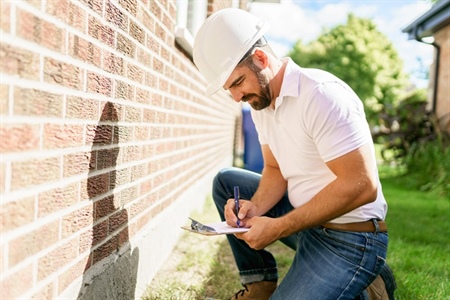
When it comes to home inspections, the cost can vary depending on numerous factors, including the property's location. Homeowners and prospective buyers often wonder whether urban and rural properties face different inspection pricing.
The short answer is yes—urban and rural properties can have significantly different costs, influenced by everything from travel distances to the complexity of the inspection itself. For example, urban areas with easier access and more standard property layouts tend to have lower inspection costs, while rural properties with challenging terrain, larger areas, and harder-to-reach locations can be more expensive to inspect.
In this article, we’ll break down the main reasons behind these cost differences, exploring questions such as whether travel costs for inspectors increase in rural areas, how the difficulty of accessing rural homes affects pricing, and what additional considerations are taken into account when inspecting properties with large tracts of land.
By the end, you'll have a thorough understanding of why location truly matters when it comes to home inspection pricing. Stick with us as we explore these key areas in more detail below!
How Do Urban Home Inspections Differ in Pricing From Rural or Suburban Properties?
Urban home inspections are typically less expensive than their rural counterparts due to a variety of factors. In urban settings, inspectors can often access homes quickly and easily, leading to reduced labor costs and fewer logistical challenges. Additionally, urban properties tend to be smaller and more straightforward, requiring less time to complete the inspection. This efficiency can make urban home inspections more affordable, particularly in densely populated areas where there are numerous inspectors available to choose from, driving competition and reducing fees.
On the other hand, rural and suburban properties often incur higher inspection costs due to more complex logistics. Rural areas may require inspectors to travel long distances to reach properties, which can add to the overall cost. These inspections also tend to be more time-consuming as rural properties can be larger, with additional buildings and outdoor areas to examine. As a result, inspectors may charge more for rural inspections due to the increased time, travel, and overall effort required.
The difference in pricing can also be attributed to the types of properties typically found in each location. Urban properties often feature more standardized layouts and systems, while rural properties may include unique or specialized systems like agricultural structures, wells, and septic systems, all of which may require additional expertise to inspect.
Does Property Location Influence Travel Costs for Inspectors in More Remote Areas?
Yes, property location plays a significant role in influencing travel costs for home inspectors, especially in remote or rural areas. When inspecting properties located far from an inspector's base of operations, travel expenses can quickly add up. Inspectors may need to account for additional time spent traveling, as well as fuel costs, and potentially even overnight accommodations if the location is particularly remote. These added travel expenses are typically passed on to the client, making inspections in rural or suburban areas more costly compared to those in urban centers.
In addition to the cost of fuel, rural areas may also involve traveling on less accessible or poorly maintained roads, which can increase wear and tear on vehicles. This added risk can also contribute to higher inspection fees, as inspectors may need to factor in vehicle maintenance and the potential for delays caused by road conditions. For properties in especially hard-to-reach locations, inspectors may even charge extra for the time and resources required to safely reach the property.
Therefore, when booking an inspection for a home located in a remote area, it's crucial to understand that the added travel time and expenses will likely affect the overall cost. The fees will reflect the additional distance traveled and the logistical challenges associated with reaching more remote properties.
What Factors Make Rural Home Inspections More Challenging and Time-Consuming?
Rural home inspections are often more challenging and time-consuming than urban inspections due to several factors. One of the most significant challenges is the sheer size of rural properties. Many rural homes are situated on large plots of land, which means inspectors must cover more area. This includes not only the primary residence but also any additional buildings, such as barns, sheds, or detached garages, which may require their own inspection.
In rural areas, properties are also more likely to have specialized systems, such as septic tanks, wells, and agricultural irrigation systems, all of which require additional expertise. Inspectors need to spend more time ensuring that these systems are functioning properly, which adds to the overall time spent on the inspection. Additionally, rural homes often lack the standard infrastructure seen in urban areas, such as easily accessible electrical panels, plumbing systems, and HVAC units, which can make the inspection process more complex.
The terrain can also present challenges. Inspectors may need to navigate difficult or uneven terrain to fully assess the property, which can increase both the time and effort required. From steep driveways to large backyards, the physical accessibility of a rural property can directly affect how long it takes to complete an inspection.
How Do Inspectors Charge for Homes With Difficult Access or Challenging Terrain?
Homes with difficult access or challenging terrain typically incur higher inspection costs due to the additional time and effort required. Inspectors may need to take extra precautions when assessing properties with steep slopes, long driveways, or uneven ground. These conditions can make it harder for inspectors to access key areas of the property, such as the roof or crawl spaces, which can require additional equipment or time to inspect safely.
Additionally, challenging terrain can complicate the process of inspecting systems such as septic tanks, wells, or outdoor structures. Inspectors may need specialized tools to access hard-to-reach areas or even hire additional help to ensure a thorough inspection. These added costs, both in terms of labor and equipment, are typically reflected in the final inspection fee.
For properties with particularly difficult access, inspectors may also charge a premium for the additional time required to assess these conditions fully. Clients should be prepared for potential surcharges when scheduling inspections for properties in areas with challenging terrain or restricted access.
What Additional Considerations Are Made for Rural Properties With Extensive Land or Farming Structures?
Rural properties with extensive land or farming structures require special consideration during the inspection process. In addition to inspecting the main home, inspectors must assess other outbuildings, agricultural structures, and possibly even the land itself. These structures can include barns, silos, grain storage facilities, and irrigation systems, all of which require a more detailed examination to ensure they are in good condition.
Inspectors also need to assess the land for potential hazards or issues, such as drainage problems, soil erosion, or the presence of pests, which can be more prevalent in rural settings. The inspection may also need to account for any agricultural equipment or specialized systems that are part of the property, which adds another layer of complexity.
Given the additional time and effort required to inspect these various structures and systems, inspection fees for rural properties with large tracts of land or farming operations tend to be higher. It's important to factor in these additional considerations when budgeting for a home inspection on a rural property.
DMC Home Inspections Is Here to Help
If you're considering purchasing a property in an urban or rural area, understanding the cost and scope of the home inspection process is crucial. At DMC Home Inspections, we specialize in providing thorough and reliable inspections, no matter the property's location.
Whether you're dealing with a straightforward urban inspection or a more complex rural property with extensive land and difficult terrain, our experienced team is equipped to handle all types of properties. From inspecting basic structures to evaluating unique systems like septic tanks, wells, and agricultural buildings, we ensure every aspect of the property is carefully assessed.
If you’re interested in learning more about our services or would like to schedule a home inspection, feel free to reach out to us! Contact us today to discuss how DMC Home Inspections can assist with your property inspection needs.